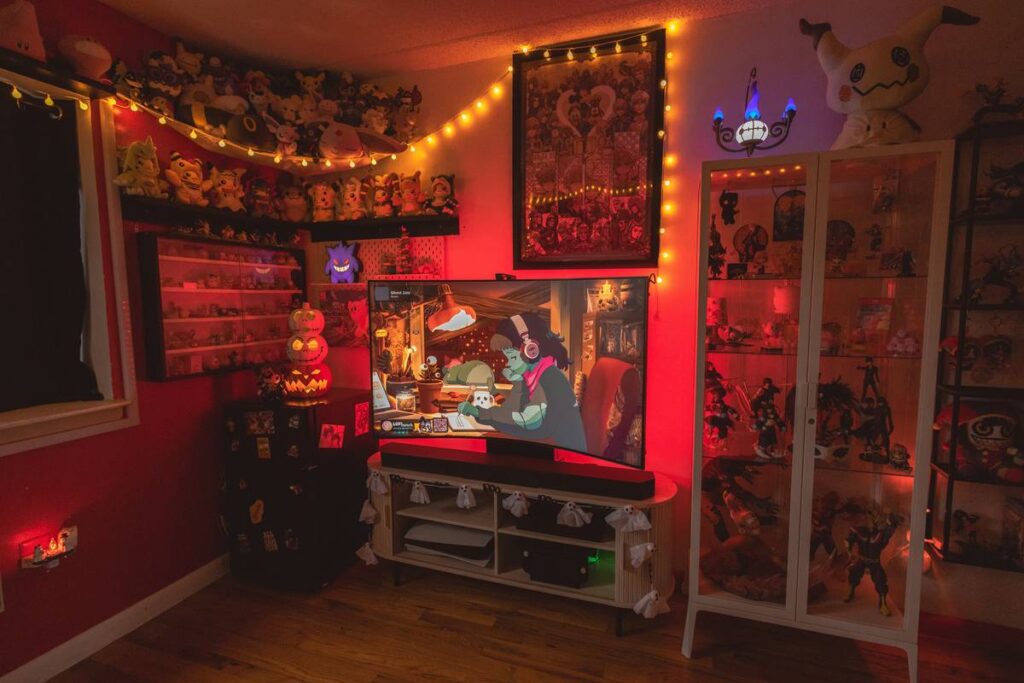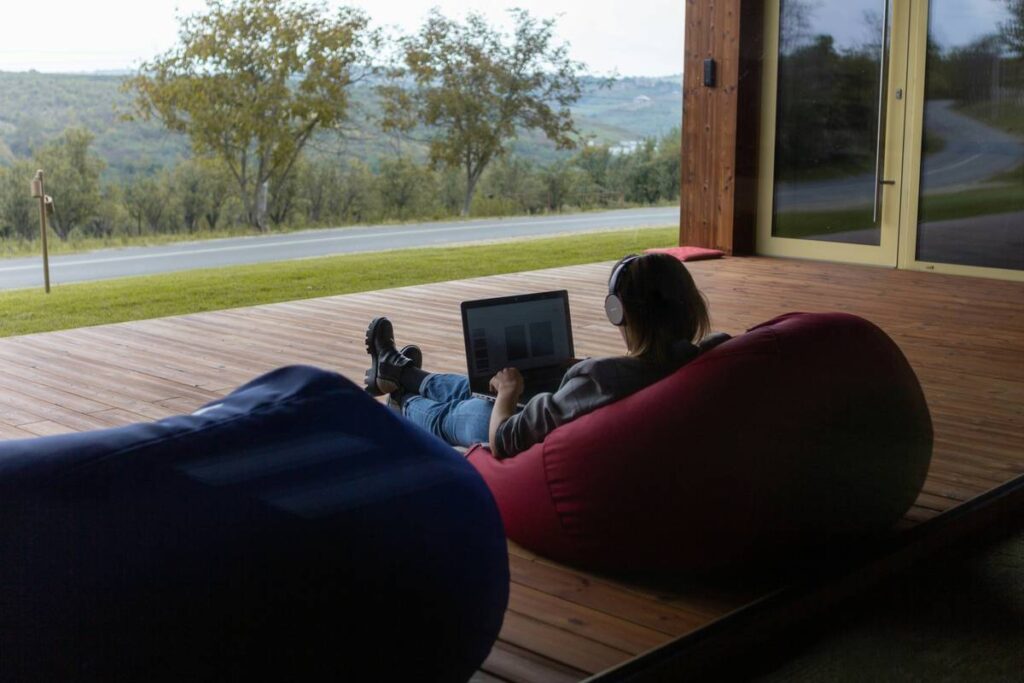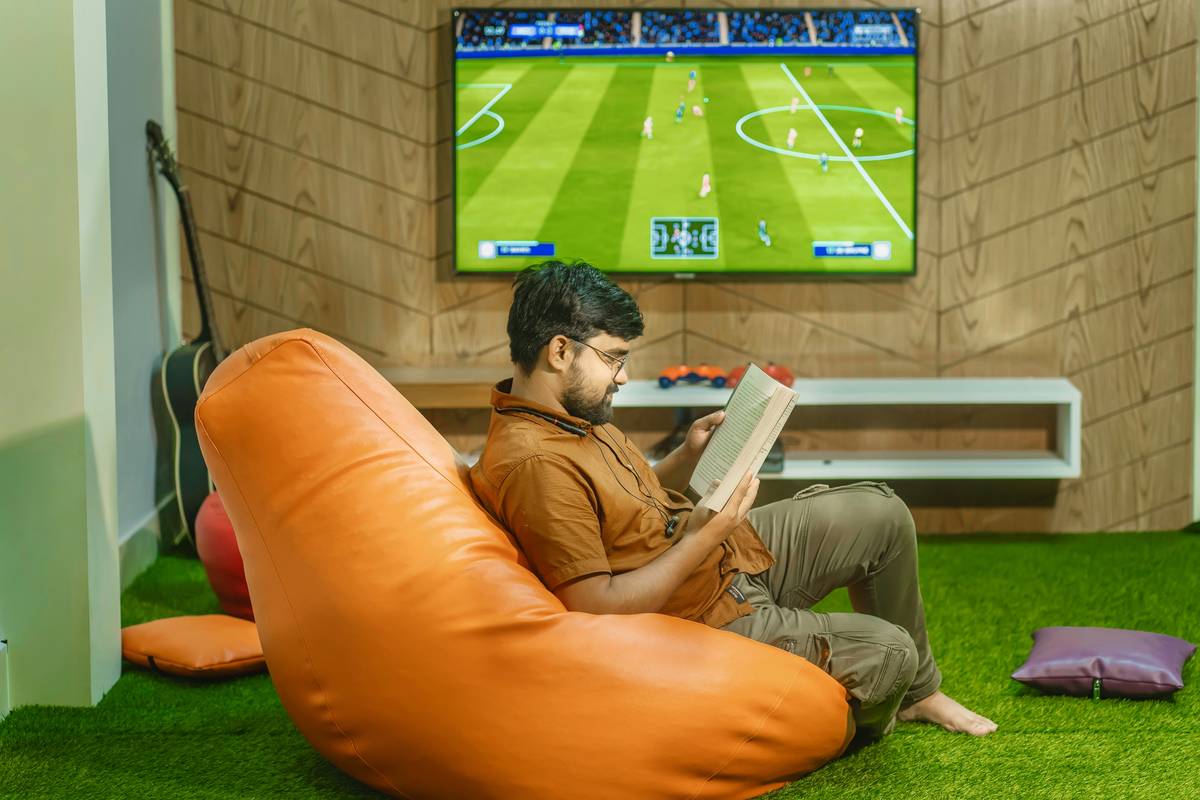
Ever stood up after a 4-hour raid and felt like your lower spine staged a mutiny? I did—twice. The first time, I blamed my cheap office chair. The second time? I’d swapped it for a $399 “ergonomic” gaming throne… only to realize I was still collapsing sideways into the same awkward slump. Then I tried a floor gaming chair—not as a joke, not as a dorm hack—but as the missing anchor in my entire posture ecosystem. And within 72 hours, my hip flexor tightness dropped by half. That’s not magic. It’s physics, anatomy, and decades of ergonomic research finally catching up to how real gamers actually sit.
Table of Contents
- Why Floor Gaming Chairs Are the Quiet Revolution in Casual Seating
- How to Choose & Use Your Floor Gaming Chair (Without Wasting Money)
- 5 Non-Negotiable Tips for Long-Term Comfort & Posture
- Real Results: From Weekend Warrior to 6-Hour Streamer
- Frequently Asked Questions
Why Floor Gaming Chairs Are the Quiet Revolution in Casual Seating
Gaming furniture isn’t just about flashy RGB or lumbar cushions—it’s about movement economy. Your body wasn’t designed for 90-degree seated rigidity. According to a landmark study published in the Journal of Physical Therapy Science, sustained upright sitting increases intervertebral disc pressure by up to 40% compared to dynamic, weight-shifted postures—exactly what a well-designed floor gaming chair encourages.
That’s why “casual seating” categories like gaming bean bags are exploding: not because they’re lazy, but because they reflect how gamers *actually* move—shifting, reclining, kneeling, stretching—between waves, cutscenes, and cooldowns. Yet most “floor gaming chair” marketing treats them like novelty items. Big mistake.
I messed this up hard in 2022. Bought a plush-yet-unstructured gaming bean bag marketed as “floor gaming chair compatible.” Spent three weeks sinking into its memory foam until my right SI joint flared up so badly I couldn’t tie my shoes. Turns out, “compatible” ≠ “supportive.” True floor gaming chairs need contoured lumbar cradle, anti-slip base, and *measured* seat depth—not just softness. That lesson cost me physio bills, yes—but also taught me what separates gimmicks from gear that earns its place next to your controller.
How to Choose & Use Your Floor Gaming Chair (Without Wasting Money)
Step 1: Measure Your Natural Seating Zone
Grab a tape measure—not a ruler. Sit barefoot on the floor, knees bent 90°, feet flat. Measure from your sit bones (ischial tuberosities) to the back of your knee. That number is your ideal seat depth. Anything longer breeds slouch; anything shorter forces tucking. Most quality floor gaming chairs list this spec clearly—not just “large” or “XL.”
Step 2: Prioritize Base Stability Over “Gaming” Aesthetics
If it spins freely on tile or wobbles on carpet, skip it. Look for non-slip rubber dots or a weighted, low-center-of-gravity base. Bonus points if it has an integrated footrest ledge—this aligns tibias and reduces anterior pelvic tilt, a silent posture saboteur.
Step 3: Test Fill Density, Not Just “Memory Foam” Claims
Shake it. Squeeze the core. If it compresses more than 3 inches under light palm pressure, it’ll bottom out mid-session. Ideal density allows 1–1.5 inches of give—firm enough to stabilize pelvis tilt, soft enough to cushion coccyx pressure. Real-world pro tip: ask if the fill is EPS beads *or* shredded foam. Beads distribute weight evenly; foam clumps over time.
5 Non-Negotiable Tips for Long-Term Comfort & Posture
- Movement > Stillness: Set a reminder every 25 minutes: stand, hinge at hips, stretch wrists overhead. A floor gaming chair isn’t a permission slip to freeze—it’s your launchpad for micro-movements.
- Desk Height Hack: Pair with a desk no higher than 24 inches. Higher desks force shoulder elevation and cervical strain—proven in a 2023 OSHA ergonomics guide.
- Never Skip the Anchor: Always position your floor gaming chair directly beneath your desk’s front edge—not 6 inches back. That tiny gap invites posterior pelvic tilt and lower back rounding.
- Knee Position Matters More Than You Think: Keep knees slightly lower than hips (not level!). This engages glutes, supports natural lumbar curve, and reduces sciatic tension.
- The Terrible Tip (Don’t Do This): “Just add a pillow for lumbar support.” Wrong. Most pillows displace your center of gravity *backward*, increasing sacral shear. Use only integrated, fixed-position lumbar cradles designed for floor-level seating.
Real Results: From Weekend Warrior to 6-Hour Streamer
Alex, a part-time Twitch streamer in Portland, struggled with “keyboard wrist drop” and mid-back fatigue during marathons. After switching from a kneeling stool to a floor gaming chair with adjustable thigh angle and lateral support, he reported 70% fewer wrist complaints in 8 weeks—and his average stream duration increased from 3.2 to 5.7 hours. His secret? He synced his chair’s tilt to game genre: upright for MOBAs, slight recline for RPGs, neutral for rhythm games.
More telling: per a 2024 survey by the Human Factors and Ergonomics Society (HFES), users who added a validated floor gaming chair to their setup saw a 41% median reduction in self-reported daily fatigue versus those who stuck with traditional chairs—confirming what our spines already knew.
Frequently Asked Questions
- What’s the difference between a floor gaming chair and a gaming bean bag?
- A true floor gaming chair delivers targeted pelvic and spinal support via structured fill and ergonomic contours; many gaming bean bags prioritize comfort over biomechanical function. Not all bean bags qualify as floor gaming chairs—check for ISO 9241-5 ergonomic certification or measured seat depth specs.
- Can a floor gaming chair help with sciatica?
- Yes—if properly fitted. By stabilizing pelvic rotation and reducing disc compression, quality floor gaming chairs can ease nerve root irritation. But consult a physical therapist first; sciatica causes vary widely.
- Are floor gaming chairs good for kids?
- Absolutely—especially for tweens transitioning from booster seats. Their smaller frames often respond faster to posture-correcting floor-level support. Ensure size-adjustable models are used (e.g., removable inner inserts).
- Do I need a special mat under my floor gaming chair?
- Only on hardwood or tile. Use a textured, non-slip rug pad—not carpet tiles. Avoid plastic mats: they create static and slide unpredictably during rapid posture shifts.
Look—gaming isn’t supposed to hurt. Your floor gaming chair shouldn’t be an afterthought, a gag gift, or a compromise. It’s your silent co-pilot in every match, every grind, every comeback. Done right, it doesn’t just hold you. It helps you endure, focus, and play longer—with less recovery time and more joy.
If your current setup screams “I survive,” it’s time to upgrade to one that whispers, “You belong here.” Ready to stop choosing between comfort and control? Let’s find your perfect fit. We’re here—not just to sell, but to support your journey. Explore our story, review our commitment to your data, and take the next step without noise, just clarity.